Where Connected Fitness Data Becomes Facility Decisions
The Life Fitness Innovation Lab page translates engineering work into operator language: biomechanics, console engagement, service telemetry, and floor economics. It is not a promise of effortless ROI. It is a practical way to model how equipment decisions affect daily use, staff workload, and refresh timing.
Commercial fitness innovation has to earn its place on the floor. A new treadmill interface should reduce hesitation for first-time members. A strength station should make coaching cues easier to deliver. A connected asset record should help the service team act sooner, not bury them in charts. The lab framework keeps invention tied to operating evidence.
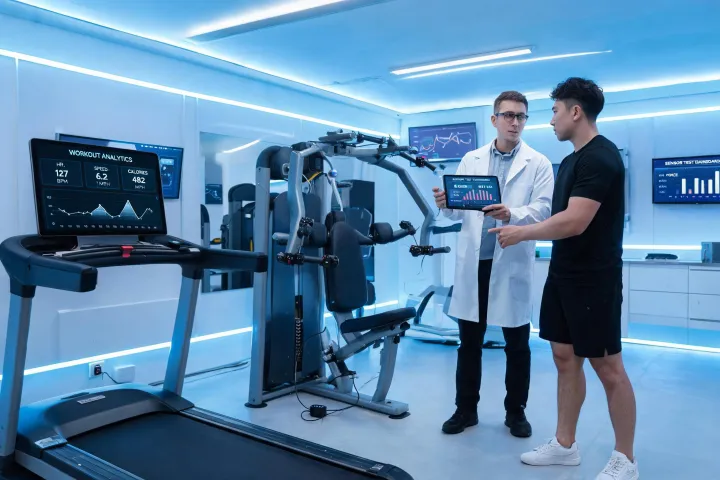
Innovation in commercial fitness matters only when it improves the room. A console feature that members do not use becomes clutter. A strength station that photographs well but blocks sightlines creates coaching friction. A treadmill that is inexpensive upfront but difficult to service can become the most expensive machine on the floor. The lab framework keeps those tradeoffs visible.
For a buyer, the most useful innovation discussion is specific: which equipment family carries the busiest hours, what data confirms it, which service parts should be stocked, and how trainers will introduce members to the new experience. Life Fitness uses that lens to connect engineering, procurement, and operations.
The same lens also protects the member experience. Operators can evaluate whether a feature improves check-in flow, shortens the time to start a workout, supports inclusive training positions, or reduces uncertainty when equipment needs attention. Innovation becomes a decision record rather than a product slogan.