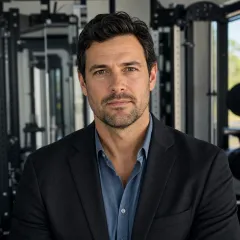
I'll Say It Straight: Efficiency Beats Price Every Time
When I first started managing gym equipment purchases back in 2020, I made the same mistake most new buyers do: I chased the lowest quote. My thinking was simple — more machines for the same budget meant more value. Three years and a mountain of repair tickets later, I realized how wrong I was. Efficiency — not upfront cost — is what actually saves you money in the long run.
Look, I'm not saying budget options are always bad. But when you're buying for a commercial facility — whether it's a hotel gym, a corporate fitness center, or a university training room — the hidden costs of downtime, training, and user frustration can bury you. That's why I've become a firm believer in brands like Life Fitness. They don't just sell machines; they sell a system that makes my job easier. Here's why.
The Efficiency Argument: Three Reasons I Bet on Life Fitness
1. User-Friendly Design Saves Training Time
One of the biggest time drains in a commercial gym is teaching people how to use the equipment. I used to field calls constantly: "How do I adjust this seat?" "Why is the screen showing an error code 5?" With Life Fitness equipment, those calls dropped significantly. Their machines come with clear diagrams on the console — you know, the ones you can find if you search "life fitness diagrams" online. Even complex machines like the Life Fitness row machine have an intuitive interface and built-in tutorials that walk users through proper form. (Finally!)
"Why does this matter? Because every minute I spend answering equipment questions is a minute I'm not doing actual purchasing or vendor management. With Life Fitness, new members often figure it out themselves — and I can focus on the other 60-80 orders I process annually."
2. Durability Means Less Downtime
Here's the thing: equipment that breaks down frequently isn't just a repair cost — it's an efficiency killer. I've had cheap treadmills fail mid-session, causing member complaints and safety concerns. Each incident required me to file a report, coordinate service, and manage the backlog of maintenance requests (ugh).
Life Fitness machines, on the other hand, are built to commercial standards. The Symbio Runner, for example, supports up to 400 lbs user weight according to the manufacturer's documentation (accessed Jan 2025). The frames don't wobble after six months. The cables on their strength equipment — like the cable machine you'd use for reverse fly dumbbell exercises — are rated for tens of thousands of cycles. When I consolidated orders for 400 employees across three locations in 2024, I chose Life Fitness precisely because I didn't want to deal with emergency repairs. (Surprise, surprise: the one budget vendor I mixed in cost me 12 hours of troubleshooting in the first quarter alone.)
3. Content and Support Boost User Success
Efficiency isn't just about the hardware; it's about what comes with it. Life Fitness provides manuals, video guides, and even dumbbell workouts for beginners that I can share with our members. When someone asks, "What muscles does a dumbbell row work?" I point them to the official Life Fitness exercise guide that explains how the dumbbell row muscles worked include the lats, rhomboids, and biceps. That saves me from writing custom explanations every time. And if a new user wants to learn the reverse fly dumbbell move, there's a simple how-to diagram — again, no guesswork.
This may sound like a small thing, but it adds up. I've calculated that having ready-to-use instructional materials cuts the time I spend on fitness-related employee questions by about 6 hours per month. For a lean admin team like ours, that's huge.
But What About Budget Concerns?
I know someone will say, "That's fine for a big company. What about those of us with tighter budgets?" Fair question. My answer: you can still apply the efficiency principle. If you can't afford a full Life Fitness lineup, at least prioritize the high-usage machines — your treadmills, ellipticals, and cable stations — from a reliable brand. You'll save on repairs and user confusion. The cheaper alternatives for those core pieces will cost you more in the long run.
I can only speak to my context — a mid-size corporate facility with predictable usage patterns. If you're running a seasonal gym with demand spikes, the calculus might be different. But the core logic remains: efficiency is competitiveness. Every hour you save on maintenance, training, and support is an hour you can reinvest in better programs, better equipment updates, or just a less stressful workday.
My Final Take
After five years of managing these relationships, I'm more convinced than ever: don't just buy equipment — buy a system that works for you. Life Fitness doesn't offer the lowest price in the market (I'd be lying if I said they did). But they offer something more valuable: peace of mind and operational efficiency. And that, for admin buyers like me, is worth every dollar.
Next time you're evaluating suppliers, ask yourself: will this machine save me time, or will it cost me time? The answer will tell you which brand to choose.